
Our Detroit office has moved to 4160 John R Street, Suite 1011, DMC Harper Professional Bldg., 10th Floor, Detroit, MI 48201

When a Toenail Injury Leads to Fungal Infection

A fungal nail infection affecting only one toe can sometimes develop after an injury rather than from typical exposure alone. Trauma to the toenail, such as stubbing the toe, repetitive pressure from sports, or damage from wearing tight footwear, can weaken the nail and create an opening for fungal organisms to grow. The nail may become thickened, discolored, brittle, misshapen, or begin lifting from the nail bed. Because only one nail is involved, some people assume the problem will resolve on its own or mistake it for lingering injury changes. A podiatrist can determine whether the nail changes are due to infection, trauma, or another condition that looks similar. Treatment may include targeted therapies based on the severity and extent of involvement. Early evaluation can improve treatment success and help prevent spread to other nails. If you have persistent nail changes after toe trauma, it is suggested that you visit a podiatrist for an assessment and appropriate treatment.

If left untreated, toenail fungus may spread to other toenails, skin, or even fingernails. If you suspect you have toenail fungus it is important to seek treatment right away. For more information about treatment, contact Manisha Mehta, DPM of Detroit, MI. Our doctor can provide the care you need to keep you pain-free and on your feet.

Symptoms

  • Warped or oddly shaped nails
  • Yellowish nails
  • Loose/separated nail
  • Buildup of bits and pieces of nail fragments under the nail
  • Brittle, broken, thickened nail

Treatment

If self-care strategies and over-the-counter medications does not help your fungus, your podiatrist may give you a prescription drug instead. Even if you find relief from your toenail fungus symptoms, you may experience a repeat infection in the future.

Prevention

In order to prevent getting toenail fungus in the future, you should always make sure to wash your feet with soap and water. After washing, it is important to dry your feet thoroughly especially in between the toes. When trimming your toenails, be sure to trim straight across instead of in a rounded shape. It is crucial not to cover up discolored nails with nail polish because that will prevent your nail from being able to “breathe”.

In some cases, surgical procedure may be needed to remove the toenail fungus. Consult with your podiatrist about the best treatment options for your case of toenail fungus.  

If you have any questions please contact our office located in Detroit, MI . We offer the newest diagnostic and treatment technologies for all your foot and ankle needs.

Read more about Toenail Fungus

Blisters Between Toes and Their Causes

Foot blisters between the toes are fluid-filled pockets that form when the skin becomes irritated or damaged. They often appear as small, tender bumps that can feel sore when walking or wearing shoes. This condition happens when friction, moisture, or irritation weakens the skin barrier. Common causes include tight footwear, excessive sweating, allergic reactions to materials, and fungal infections that weaken skin health. Risk factors include long periods of walking, poor shoe ventilation, and warm, humid environments that encourage moisture buildup. Over time, these blisters may become more painful or prone to infection if the skin breaks. A podiatrist can evaluate the underlying cause, check for infection or fungal involvement, and provide treatment to protect the skin and support healing. If you have blisters between your toes, it is suggested that you consult a podiatrist who can offer effective relief tips.

Blisters are prone to making everyday activities extremely uncomfortable. If your feet are hurting, contact Manisha Mehta, DPM of Detroit, MI. Our doctor can provide the care you need to keep you pain-free and on your feet.

Foot Blisters

Foot blisters develop as a result of constantly wearing tight or ill-fitting footwear. This happens due to the constant rubbing from the shoe, which can often lead to pain.

What Are Foot Blisters?

A foot blister is a small fluid-filled pocket that forms on the upper-most layer of the skin. Blisters are filled with clear fluid and can lead to blood drainage or pus if the area becomes infected.

How Do Blisters Form?

Blisters on the feet are often the result of constant friction of skin and material, usually by shoe rubbing. Walking in sandals, boots, or shoes that don’t fit properly for long periods of time can result in a blister. Having consistent foot moisture and humidity can easily lead to blister formation.

Prevention & Treatment

It is important to properly care for the affected area in order to prevent infection and ease the pain. Do not lance the blister and use a Band-Aid to provide pain relief. Also, be sure to keep your feet dry and wear proper fitting shoes. If you see blood or pus in a blister, seek assistance from a podiatrist.

If you have any questions, please feel free to contact our office located in Detroit, MI . We offer the newest diagnostic and treatment technologies for all your foot care needs.

Read more about Blisters

What Happens During an Ankle Sprain

An ankle sprain is an injury that occurs when the ligaments that support the ankle are stretched or torn. It often happens during a sudden twist, misstep, or awkward landing that forces the joint out of its normal position. This condition may appear with swelling, bruising, tenderness, and difficulty bearing weight on the affected foot. Some people feel instability or a popping sensation at the time of injury. While sprains can range from mild to severe, proper evaluation is important to rule out fractures or long-term damage. A podiatrist can assess the severity through a physical examination and imaging tests, then guide treatment to support healing and restore stability. Early care helps prevent chronic weakness or repeated injury.  If you have symptoms of an ankle sprain, it is suggested that you consult a podiatrist who can offer effective relief and treatment solutions.

Ankle sprains are common but need immediate attention. If you need your feet checked, contact Manisha Mehta, DPM from Detroit, MI. Our doctor can provide the care you need to keep you pain-free and on your feet.

How Does an Ankle Sprain Occur?

Ankle sprains take place when the ligaments in your ankle are torn or stretched beyond their limits. There are multiple ways that the ankle can become injured, including twisting or rolling over onto your ankle, putting undue stress on it, or causing trauma to the ankle itself.

What Are the Symptoms?

  • Mild to moderate bruising
  • Limited mobility
  • Swelling
  • Discoloration of the skin (depending on severity)

Preventing a Sprain

  • Wearing appropriate shoes for the occasion
  • Stretching before exercises and sports
  • Knowing your limits

Treatment of a Sprain

Treatment of a sprain depends on the severity.  Many times, people are told to rest and remain off their feet completely, while others are given an air cast. If the sprain is very severe, surgery may be required.

If you have suffered an ankle sprain previously, you may want to consider additional support such as a brace and regular exercises to strengthen the ankle.

If you have any questions please feel free to contact our office located in Detroit, MI . We offer the newest diagnostic tools and technology to treat your foot and ankle needs.

Read more about Ankle Sprains

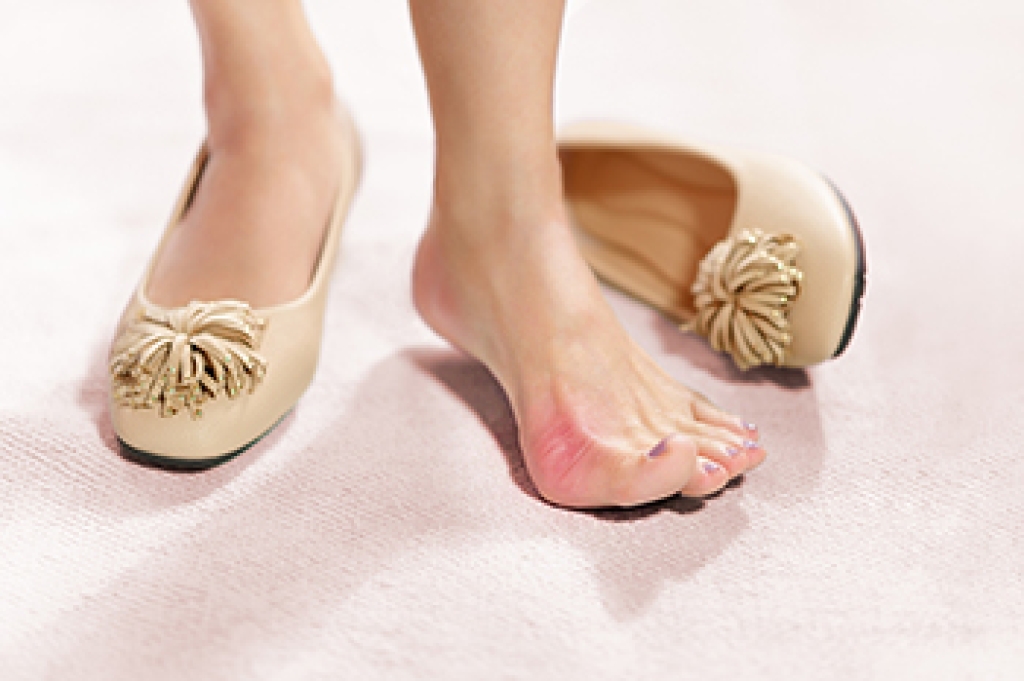
Are Bunions Affecting Your Everyday Life?

Have you noticed a bony protrusion on the side of your big toe? If so, you may have developed the foot condition known as a bunion. Don't let bunions interfere with your daily activities.

When the Achilles Tendon Ruptures

An Achilles tendon rupture is a serious injury that occurs when the thick tendon connecting the calf muscles to the heel tears completely. This injury frequently happens during sports that involve sudden jumping, pivoting, or running. Many people report hearing or feeling a loud pop in the back of the ankle, followed by sharp pain and trouble walking. Swelling, bruising, and weakness in pushing off the foot are also common symptoms. Risk factors include tight calf muscles, previous tendon injuries, diabetes, and overuse from physical activity. Achilles tendon ruptures are sometimes mistaken for ankle sprains, which can delay proper care. A podiatrist can diagnose this injury with a physical exam and imaging studies. Treatment includes immobilization, custom orthotics, and rehabilitation. Surgery may be required, depending on the severity of the rupture and the patient’s activity level. If you have torn your Achilles tendon, it is suggested that you promptly schedule an appointment with a podiatrist for appropriate treatment solutions.

Achilles tendon injuries need immediate attention to avoid future complications. If you have any concerns, contact Manisha Mehta, DPM of Detroit, MI. Our doctor can provide the care you need to keep you pain-free and on your feet.

What Is the Achilles Tendon?

The Achilles tendon is a tendon that connects the lower leg muscles and calf to the heel of the foot. It is the strongest tendon in the human body and is essential for making movement possible. Because this tendon is such an integral part of the body, any injuries to it can create immense difficulties and should immediately be presented to a doctor.

What Are the Symptoms of an Achilles Tendon Injury?

There are various types of injuries that can affect the Achilles tendon. The two most common injuries are Achilles tendinitis and ruptures of the tendon.

Achilles Tendinitis Symptoms

  • Inflammation
  • Dull to severe pain
  • Increased blood flow to the tendon
  • Thickening of the tendon

Rupture Symptoms

  • Extreme pain and swelling in the foot
  • Total immobility

Treatment and Prevention

Achilles tendon injuries are diagnosed by a thorough physical evaluation, which can include an MRI. Treatment involves rest, physical therapy, and in some cases, surgery. However, various preventative measures can be taken to avoid these injuries, such as:

  • Thorough stretching of the tendon before and after exercise
  • Strengthening exercises like calf raises, squats, leg curls, leg extensions, leg raises, lunges, and leg presses

If you have any questions please feel free to contact our office located in Detroit, MI . We offer the newest diagnostic tools and technology to treat your foot and ankle needs.

Read more about The Causes, Types, and Treatments of Achilles Tendon Injuries

Connect With Us

Advanced Podiatric Procedures & Services in the Lucas County, OH: Toledo (Ottawa Hills, Silica, Holland, Shoreland, Oregon, Harbor View, Maumee) and Wayne County, MI: Detroit (Hamtramck, River Rouge, Dearborn, Melvindale, Highland Park, Grosse Pointe Park, Grosse Pointe, Lincoln Park, Allen Park, Redford Charter Twp) and Wood County, OH: Rossford, Northwood, Walbridge areas